Solar Panels in Islamabad: TOPCon vs PERC vs Bifacial in 2026
If you are shopping for solar panels in Islamabad this year, the technology inside the module matters as much as the brand on the label. In 2026 the market has shifted decisively toward newer cell types, and understanding them protects you from paying premium prices for outdated stock.
This guide breaks down the three panel technologies you will actually be offered, compares them honestly, and shows how the right choice changes your rooftop output for the next 25 years.
Why Panel Technology Beats Brand Hype
Two panels can share a familiar brand name yet use completely different cells underneath. The cell architecture decides efficiency, heat tolerance, and how gracefully the panel ages.
Buyers who focus only on wattage miss this. A 590 W TOPCon panel and a 590 W older PERC panel behave differently on a hazy Islamabad winter morning, and that gap compounds across two decades of generation.
The Three Technologies Explained
Here is what each option really means for a rooftop in the capital region.
- Mono PERC: the mature, budget-friendly workhorse. Reliable, widely stocked, slightly lower efficiency.
- TOPCon: the 2026 mainstream. Higher efficiency, better low-light and high-heat behaviour, stronger warranties.
- Bifacial: captures reflected light from the rear side too, ideal for elevated or ground mounts with bright surfaces below.
For most rooftops in 2026, TOPCon offers the best balance. Bifacial shines on specific installations, while PERC still makes sense on a tight budget.
Head-to-Head Comparison
| Feature | Mono PERC | TOPCon | Bifacial |
|---|---|---|---|
| Typical efficiency | 20.5% | 22.5% | 22%+ (front) |
| Heat performance | Good | Better | Better |
| Low-light output | Average | Strong | Strong |
| Relative cost | Lowest | Moderate | Highest |
| Best for | Budget builds | Most rooftops | Elevated mounts |
Use this table as a starting filter. Your installer should then map it against your specific roof, budget, and consumption before recommending a technology.
Which Panel Suits Islamabad’s Climate?
The capital’s moderate temperatures and clear autumn skies favour high-efficiency cells that also handle occasional winter haze. TOPCon panels tick both boxes, delivering steadier output across seasons.
When comparing quotes for solar panels in Islamabad, ask specifically which cell technology each quote uses. A vague answer usually means older inventory being cleared at a premium.
How Sialkot Buyers Should Think Differently
Sialkot’s industrial rooftops and warmer summers tilt the maths slightly. Larger commercial spans benefit from bifacial arrays on elevated structures, where reflected light adds a genuine yield bonus.
Businesses evaluating solar panels in Sialkot should weigh factory roof height and surface reflectivity, since these directly affect whether bifacial pays for its higher price. The same disciplined comparison you would apply when vetting quality service providers for any business purchase applies here too.
Reading a Panel Datasheet
The datasheet reveals more than any sales pitch. Focus on these lines before you sign.
- Cell technology, stated plainly as PERC, TOPCon, or bifacial.
- Temperature coefficient of Pmax, lower is better.
- Module efficiency percentage.
- Product warranty versus performance warranty, both in years.
- Year-25 guaranteed output as a percentage of the original rating.
A confident supplier hands over the datasheet without hesitation. Reluctance to share it is a reliable red flag.
How Warranties Differ Across Technologies
Warranty terms have improved sharply as newer cells matured. In 2026, the guarantee attached to a panel tells you a lot about the manufacturer’s confidence in the technology.
TOPCon panels commonly carry 30-year performance warranties with lower annual degradation rates, often around 0.4% per year. Older PERC modules usually offer 25 years with slightly faster degradation.
This difference matters over time. A panel that degrades more slowly is producing meaningfully more electricity in year 20 than a cheaper module that faded faster, even if both started at the same wattage.
Always compare the year-25 or year-30 guaranteed output figure, not just the headline warranty length. That single number captures how well the panel ages under real rooftop conditions.
Installation Quality Decides Real Output
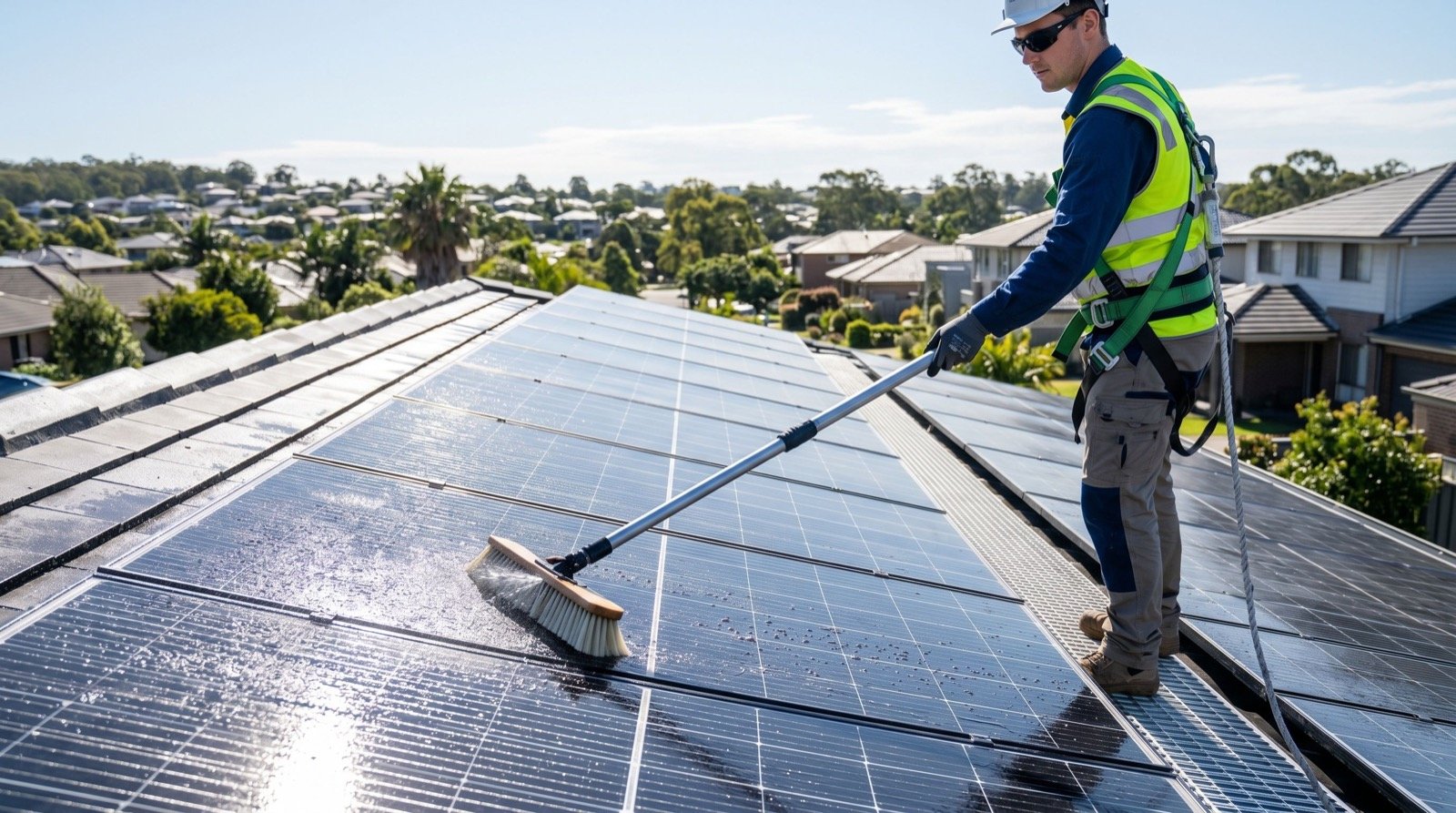
The best cells underperform if the installation is careless. Technology sets the ceiling, but workmanship decides how close you get to it.
Proper string design keeps panels of similar orientation grouped so shading on one does not drag down others. Tight, weatherproof connections prevent the resistance losses that silently waste energy.
Orientation and tilt also matter. In the capital region, a south-facing array at an appropriate tilt captures the most annual sunlight, and a good installer optimises this rather than simply laying panels flat.
Ask how the installer handles these details during the site visit. Their answer reveals whether you are buying engineering or just hardware bolted to a roof.
A Practical Buying Tip for 2026
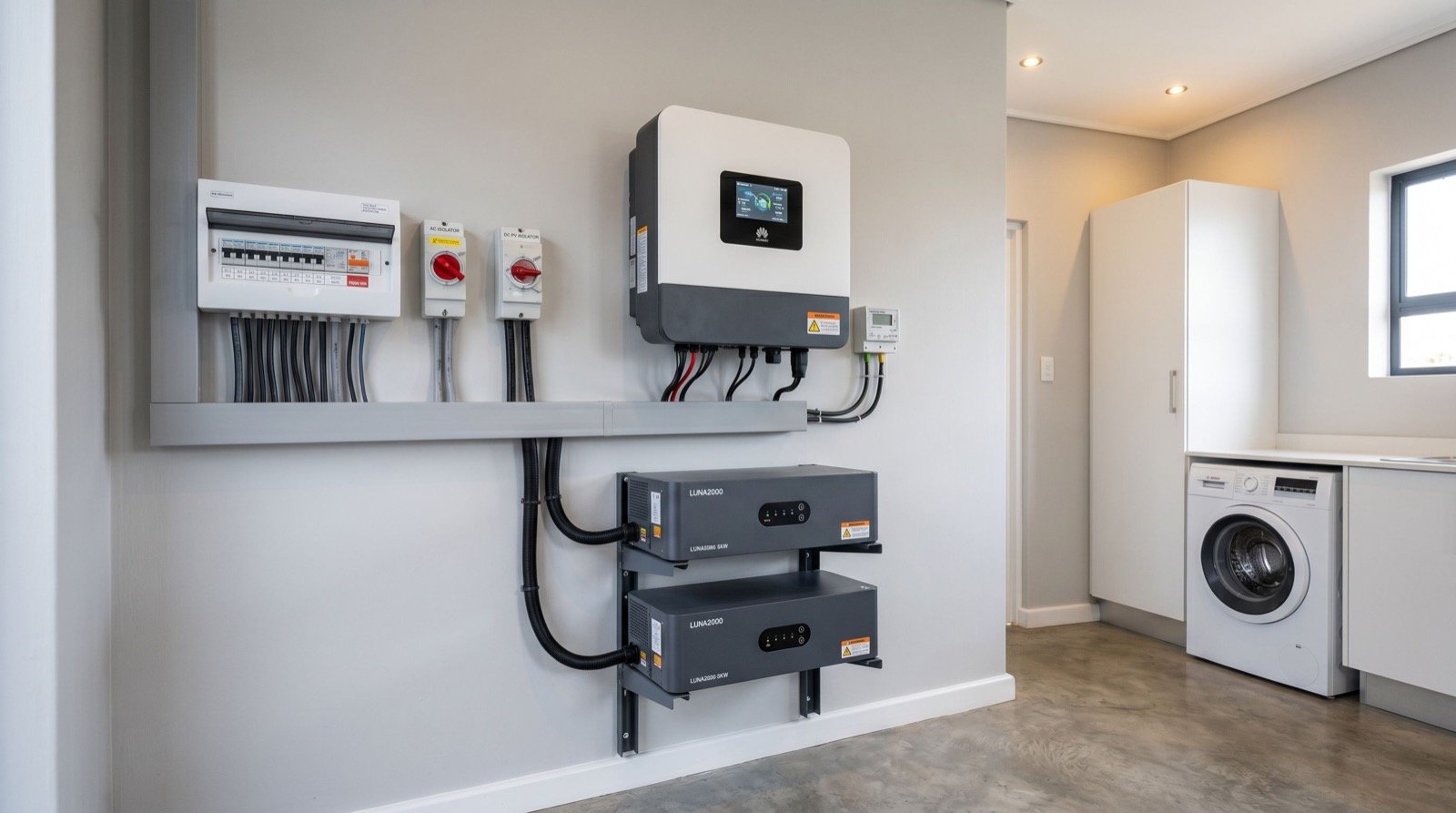
Match the inverter to the panel technology. High-efficiency TOPCon or bifacial arrays can push more current, so an undersized or mismatched inverter clips your gains on the sunniest days. Confirm the inverter’s maximum input aligns with your array before purchase.
For independent technical grounding, the National Renewable Energy Laboratory publishes ongoing research on cell efficiencies that helps you separate marketing from measured performance.
Frequently Asked Questions
Are TOPCon panels worth the extra cost in 2026?
For most rooftops, yes. The efficiency and heat-tolerance gains typically recover the modest price premium through higher lifetime generation, especially in Islamabad’s varied climate.
Do bifacial panels work on ordinary house roofs?
Their rear-side gain needs reflected light, so flush rooftop mounts capture little of it. They excel on elevated or ground mounts with bright surfaces beneath.
How many panels do I need for a typical home?
A 5 kW system uses roughly nine to eleven modern panels, depending on wattage. Higher-efficiency panels let you fit more capacity into limited roof space.
Will older PERC panels stop being supported?
No. PERC remains a proven, warranty-backed technology and will be serviced for years. It simply offers slightly lower efficiency than newer TOPCon cells.
Final Thoughts
Buying solar panels in Islamabad in 2026 is really a decision about cell technology. TOPCon suits most rooftops, bifacial rewards specific commercial setups, and PERC still serves budget projects well.
Ask which cells are inside every quote, read the datasheet, and match your inverter accordingly. Do that, and your panels will out-earn a cheaper, older array many times over.
Remember that a rooftop system is a 25-year relationship, not a one-off transaction. The cell technology you choose in 2026 will still be generating power well into the 2050s, so a small effort to understand it today compounds into years of stronger returns. Take the time, ask the questions, and buy the technology rather than the badge.