Personal Finance Tips: 10 Habits for Your 2026 Paycheck
Landing a new job or a raise feels great, but a bigger paycheck only builds wealth if you manage it with intention. The most valuable personal finance tips are not complicated formulas; they are small, repeatable habits that compound quietly over the years.
Whether you just started your first role or you are finally earning enough to breathe, this guide lays out ten practical moves for 2026. Each one is designed to work in the real world, where rent is high, temptation is constant, and motivation runs out fast.
Start With a Budget That Matches Real Life
A budget fails when it is too strict to follow. Instead of banning every coffee, build a plan that reflects how you actually live while still carving out room for savings and goals. The popular 50/30/20 split is a sturdy starting frame.
- 50% needs — rent, utilities, groceries, transport, minimum debt payments.
- 30% wants — dining out, hobbies, travel, and the occasional splurge.
- 20% savings and debt — emergency fund, retirement, extra debt payoff.
Adjust the ratios to your city and income. Someone in an expensive metro may need to flex needs to 60%, and that is fine as long as savings never drop to zero.
Why Automate Everything You Can?
Willpower is a limited resource. When your savings transfer and bill payments happen automatically on payday, you remove the daily decision to “do the right thing.” Automation is the single highest-leverage habit on this list.
Build an Emergency Fund Before Anything Fancy
Before chasing investments, protect yourself from life’s curveballs. The U.S. Consumer Financial Protection Bureau recommends building a starter emergency fund so a surprise expense does not spiral into high-interest debt, and its free guidance is available from the Consumer Financial Protection Bureau.
Aim for one month of essential expenses first, then grow toward three to six months over time. Keep this money in a separate high-yield savings account so it is reachable but not tempting for everyday swipes.
Tackle Debt With a Clear Strategy
High-interest debt, especially credit cards, quietly erodes everything else you do. Choose one of two proven payoff methods and commit to it rather than paying random amounts across balances.
- Avalanche method — attack the highest interest rate first to save the most money.
- Snowball method — clear the smallest balance first for quick psychological wins.
- Hybrid — knock out one small balance for momentum, then switch to avalanche.
The math favors avalanche, but the method you actually stick with beats the one that looks best on paper. Momentum matters more than perfection.
Use Technology to Stay on Track
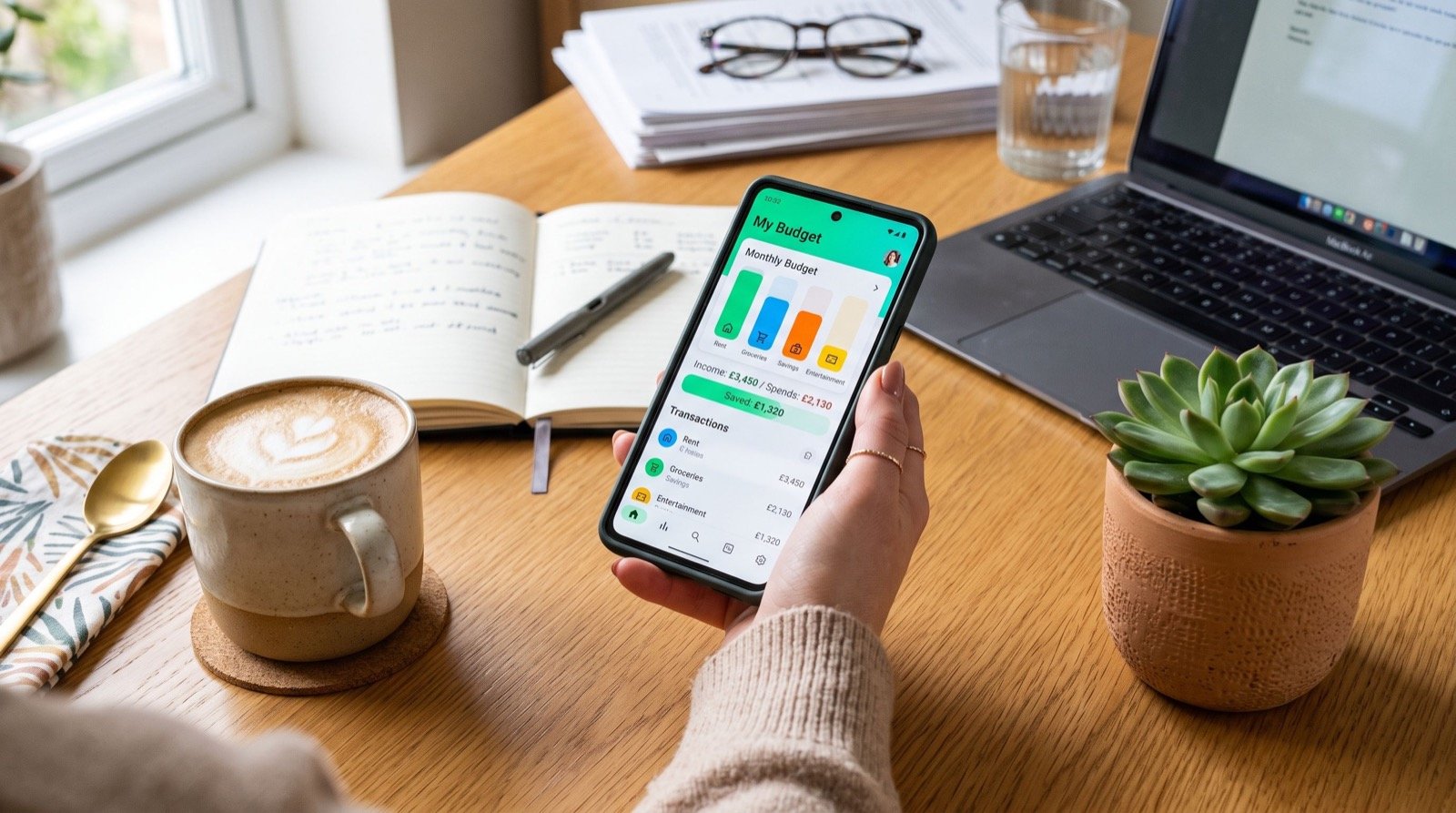
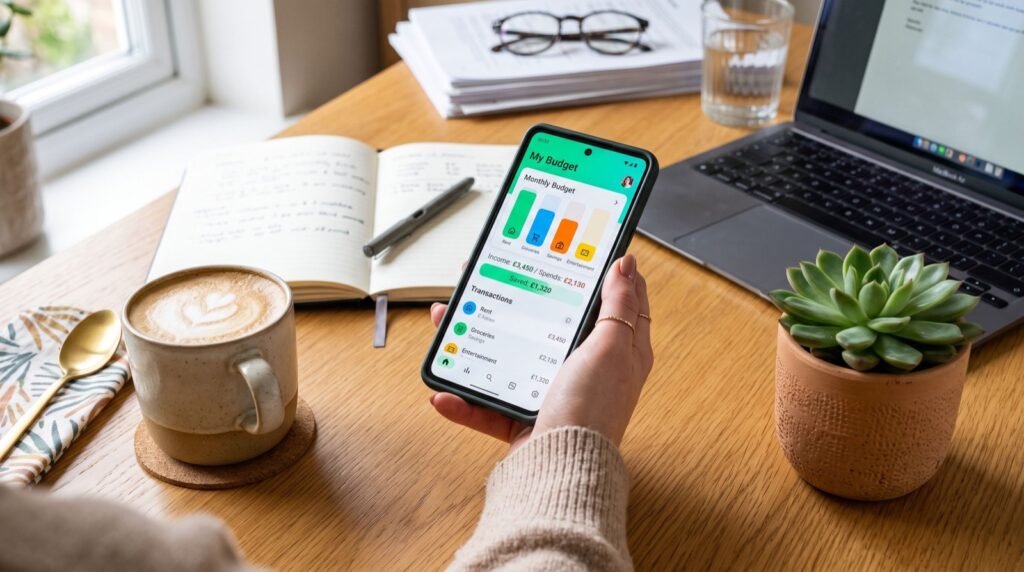
Tracking by memory never works. Modern money apps sync your accounts, categorize spending, and nudge you when a category runs hot. They turn a vague sense of “I think I’m okay” into clear, current numbers.
The table below shows which habit each type of tool supports, so you can match the right app to your biggest weak spot.
| Financial Goal | Helpful Tool Type | Habit It Reinforces |
|---|---|---|
| Stop overspending | Budgeting app | Daily awareness |
| Grow savings | Automatic saver | Pay yourself first |
| Cut waste | Subscription tracker | Regular cleanup |
| Invest early | Micro-investing app | Consistent contributions |
Plan Big Expenses Instead of Reacting to Them
Large costs rarely arrive out of nowhere. A move, a wedding, a car replacement, or a holiday season can all be anticipated and funded gradually through a dedicated sinking fund.
For example, if you know a relocation is coming, start a moving fund months ahead and get quotes early from a reputable service experts so the final bill never blindsides your budget. Planning converts a stressful shock into a line item you already covered.
A Tip Most Guides Forget
Give every raise a job before it hits your account. When your pay increases, immediately route at least half of the extra toward savings or investments. This “pay bump rule” prevents lifestyle inflation from quietly eating every gain you earn.
Invest Early, Even in Small Amounts
Time in the market is the closest thing to a financial superpower. Thanks to compounding, contributions you make in your twenties and thirties carry disproportionate weight by retirement. Starting small beats waiting for “enough.”
If your employer offers a retirement match, capture it fully before anything else. That match is an instant, guaranteed return you will not find anywhere else. These core personal finance tips work best when investing becomes automatic and boring rather than something you time or tinker with.
Protect Your Progress With Insurance and Records
Building wealth is only half the job; protecting it is the other half. A single uninsured emergency can erase years of careful saving, so treat basic coverage as part of your financial foundation rather than an afterthought.
At minimum, review your health, renters or homeowners, and disability coverage once a year. Disability insurance in particular is overlooked, yet your ability to earn is usually your largest asset in your twenties and thirties.
Keep your financial records organized too. Store tax documents, account logins, and insurance policies in one secure place, whether a password manager or an encrypted folder. When life gets hectic, that single habit saves hours of stress and prevents missed deadlines or lapsed coverage.
How Often Should You Review Your Finances?
Aim for a quick monthly check-in and one deeper annual review. The monthly glance keeps spending honest, while the yearly review is when you adjust contributions, rebalance goals, and confirm your insurance still matches your life. As your income and responsibilities grow, your plan should evolve with them rather than stay frozen at whatever you set in your first job.
Frequently Asked Questions
What is the most important personal finance tip for beginners?
Pay yourself first. Automate a savings transfer on payday before you spend on anything else. Even a modest amount, moved consistently, builds the habit and the balance that every other financial goal depends on.
How much should I keep in an emergency fund?
Start with one month of essential expenses, then build toward three to six months over time. Keep it in a separate high-yield savings account so it stays accessible for true emergencies but out of reach for daily spending.
Should I pay off debt or save first?
Do both in parallel. Build a small starter emergency fund so you avoid new debt, then direct extra cash toward high-interest balances while maintaining minimum payments on everything else.
Do budgeting apps really make a difference?
Yes. By syncing accounts and categorizing spending automatically, they replace guesswork with real numbers and alert you before a category overspends. The visibility alone tends to curb impulse purchases.
Final Thoughts
The best personal finance tips share one trait: they are simple enough to repeat for years. Automate your savings, respect your emergency fund, attack debt with a plan, and let investing run quietly in the background.
Pick just two habits from this list to start this month. Once they feel effortless, add another. Steady, boring consistency is exactly how ordinary paychecks turn into real, lasting financial security.